

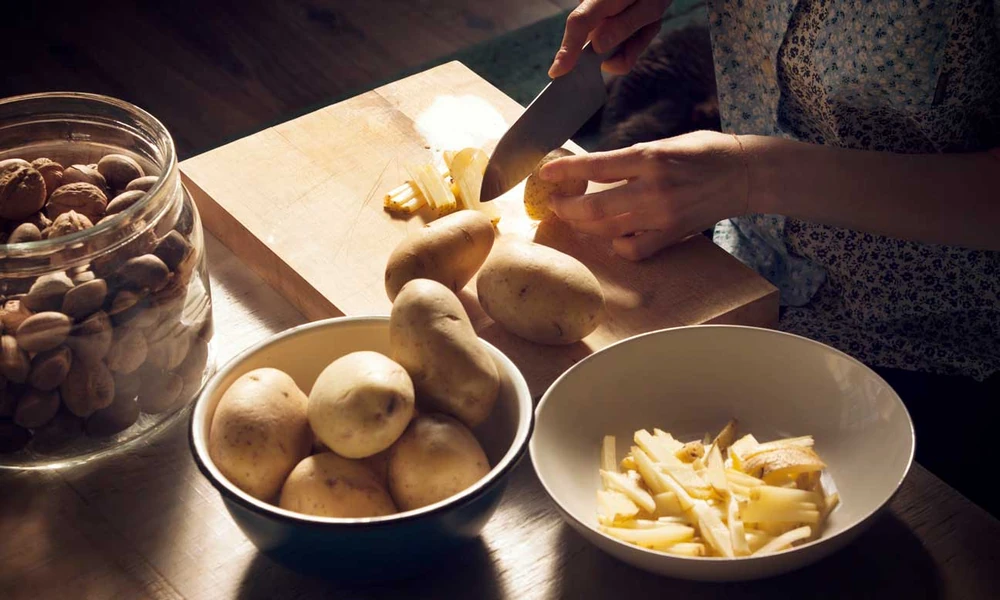
Potatoes are one of the most versatile ingredients found in kitchens around the world. Their mild flavor and adaptability allow them to be prepared in many ways, from simple baked dishes to intricate specialties served on special occasions. While potatoes naturally contain valuable nutrients, the method used to cook them can significantly influence their overall nutritional profile. Understanding these differences helps home cooks make choices that align with healthier eating habits without giving up foods they enjoy.
The cooking process is not just about taste and texture. It also affects how nutrients are retained and how additional ingredients contribute to the finished meal.
Baking Preserves Natural Qualities
Baking remains one of the simplest ways to prepare potatoes. With little more than heat and minimal added ingredients, baked potatoes retain much of their natural flavor while allowing their soft interior to develop.
Because this method does not require large amounts of cooking oil, it helps keep added fat relatively low. Toppings can then be selected according to individual preferences, making it easy to create balanced meals using vegetables, lean proteins, herbs, or yogurt-based alternatives instead of heavier sauces.
Baking also allows the potato skin to remain intact, providing additional texture and dietary fiber.
Steaming As A Gentle Cooking Technique
Steaming uses moisture rather than direct contact with oil, making it another practical preparation method for those seeking lighter meals.
This technique helps maintain the potato’s natural structure while producing a soft texture that works well in salads, side dishes, and vegetable bowls. Since steaming requires no frying, it allows the focus to remain on the potato itself rather than additional cooking fats.
Steamed potatoes can also be seasoned creatively with fresh herbs, spices, lemon juice, or olive oil for added flavor without overwhelming the dish.
Boiling Offers Flexible Meal Options
Boiling is widely used because it produces potatoes suitable for many different recipes. Mashed potatoes, soups, and vegetable salads often begin with boiled potatoes as their base.
Although some water-soluble nutrients may be reduced during boiling, much depends on cooking time and whether the potatoes are peeled beforehand. Cooking them until just tender rather than overcooking helps preserve quality while providing an excellent foundation for nutritious meals.
Using the cooking water in homemade soups can also help retain some dissolved nutrients within the final recipe.
Roasting Brings Out Natural Flavor
Roasting creates a crisp exterior while concentrating the potato’s natural flavor. Roasted potatoes make a pleasant accompaniment to well-balanced meals when prepared with moderate amounts of healthy oils and seasonings.
Vegetables such as carrots, onions, peppers, and zucchini roast well alongside potatoes, allowing home cooks to prepare colorful trays that provide both variety and convenience.
Careful portioning of oils helps maintain a balanced nutritional profile while delivering appealing taste and texture.
Frying Changes The Overall Meal
Frying produces a very different nutritional outcome compared with baking, steaming, or boiling. Because potatoes absorb oil during the cooking process, the finished dish generally contains more calories and fat than potatoes prepared using dry or moist heat methods.
This distinction often explains why discussions about whether are potatoes healthy should focus on preparation rather than the vegetable itself. The potato remains the same ingredient, but the cooking method greatly influences the overall nutritional characteristics of the meal.
Recognizing this difference encourages more informed food choices instead of unfairly judging one ingredient.
The Importance Of Smart Pairings
Cooking methods are only one part of creating nutritious meals. What accompanies the potatoes also matters.
Serve potatoes with grilled fish, roasted vegetables, beans, poultry, or leafy salads to make a balanced diet that includes protein, fiber, healthy fats, and a variety of vitamins and minerals. On the other hand, pairing them exclusively with heavily processed foods may reduce the overall nutritional quality of the meal.
Thoughtful combinations help maximize both flavor and nourishment.
Flavor Without Excess
Healthy cooking does not require sacrificing taste. Herbs such as rosemary, thyme, parsley, dill, and chives provide fresh flavor without adding significant calories or sodium.
Garlic, black pepper, paprika, turmeric, and citrus juice also enhance potato dishes while encouraging greater use of natural seasonings instead of highly processed sauces.
These simple additions demonstrate that nutritious meals can remain enjoyable and satisfying.
Conclusion
The nutritional value of potatoes depends not only on the vegetable itself but also on how it is prepared. Baking, steaming, boiling, and roasting all provide opportunities to enjoy potatoes as part of wholesome meals, while frying creates a different nutritional profile due to added fats. By selecting healthier cooking methods and pairing potatoes with fresh, balanced ingredients, home cooks can continue enjoying this versatile vegetable while supporting long-term healthy eating habits.
