

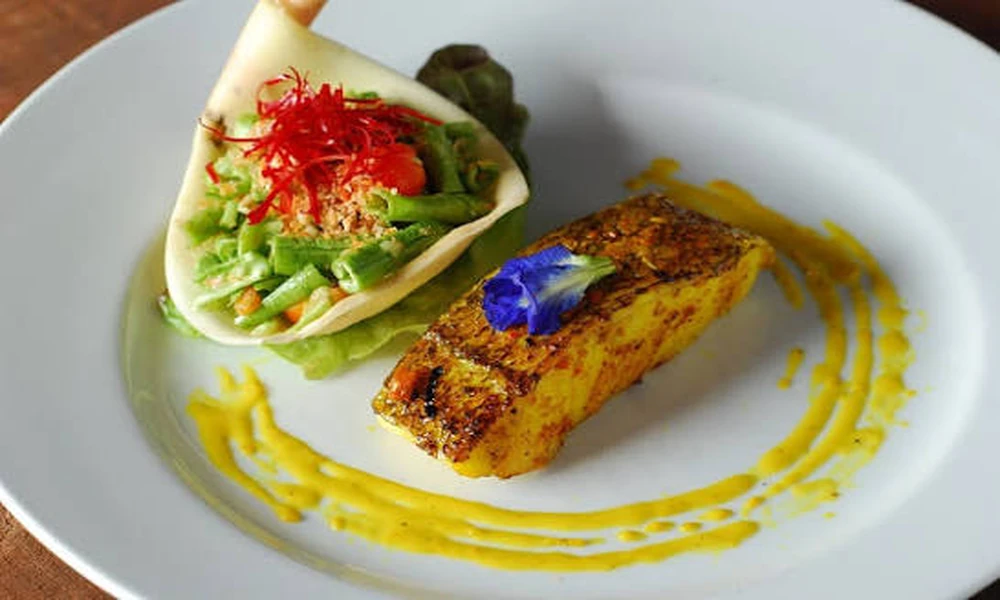
Seasonal ingredients give Thai cuisine its distinctive depth, balancing acidity, sweetness, heat, and aroma. A fine dining menu bangkok experience can translate these qualities into carefully sequenced courses, each revealing a different ingredient or technique. From fragrant herbs to peak-season fruit, thoughtful combinations create contrast without sacrificing regional character. The result is a dining experience shaped by freshness, culinary precision, and the natural progression of flavors across the table.
Seasonal Ingredients Shape Each Course
A successful tasting journey begins with produce at peak quality. Thai kitchens can draw from river fisheries, tropical orchards, coastal farms, and mountain gardens. Each landscape contributes distinct aromas, textures, and natural sweetness. Chefs build courses around ingredients rather than forcing produce into fixed recipes. This approach keeps regional identity visible throughout the meal.
Why Does Flavor Progression Matter?
A multi-course meal needs deliberate pacing. Light, acidic bites prepare the palate for richer preparations. Consider a lemongrass seafood starter before coconut-rich curry. Fresh lime can restore brightness after creamy textures. Grilled vegetables introduce smokiness without overwhelming delicate herbs. Each transition creates contrast, allowing individual ingredients to retain their character.
Fresh Produce Gives Thai Classics New Expression
Traditional recipes provide a strong foundation for seasonal interpretation. A chef might pair young mango with seafood and chilli. Ripe pineapple can sharpen a tamarind-based dressing. Tender local greens bring bitterness to rich coconut sauces.
Useful seasonal ingredients include:
- Green mango delivers crisp acidity.
- Thai basil contributes peppery herbal notes.
- Young coconut adds delicate sweetness.
- Wild mushrooms provide earthy depth.
Such combinations preserve familiar Thai flavor principles while introducing fresh dimensions.
Can Fine Dining Menus Reflect Regional Diversity?
Thailand’s culinary identity extends beyond central Bangkok. Northern herbs, southern seafood, and northeastern fermented seasonings offer distinct possibilities. A fine dining menu bangkok can connect these traditions through carefully researched sourcing and contemporary preparation. Fermentation adds savory complexity, while grilling develops smoky depth. Regional diversity becomes tangible through ingredients, not decorative storytelling.
Techniques That Reveal Seasonal Character
Cooking methods should respect each ingredient’s natural strengths. Brief steaming protects delicate fish and aromatic leaves. Charcoal grilling intensifies sweetness in vegetables and shellfish. Fermentation develops complexity when harvests exceed immediate kitchen needs.
Chefs can also apply these techniques:
- Cure seafood with measured salt and citrus.
- Preserve fruit through controlled fermentation.
- Extract herb aromas into light oils.
- Match rice varieties with distinctive sauces.
Precision matters because excessive heat can erase subtle flavors.
A Memorable Finish Begins With Fruit
Dessert can extend the seasonal narrative without overwhelming diners. Young coconut, ripe mango, and citrus offer distinct finishing possibilities. A tart fruit granita can refresh the palate after rich curry courses. Subtle sweetness also leaves room for lingering herbal aromas. The final impression becomes a lesson in balance, not simply a sugary reward.
Seasonal Thai dining ultimately connects agriculture with culinary craft. When a chef selects fruit at peak ripeness, its natural acidity may eliminate the need for heavier additions. That small decision changes more than a single plate. It demonstrates how thoughtful sourcing can shape an entire dining philosophy.
FAQs
What defines a multi-course Thai dining experience?
It presents Thai flavors through a planned sequence of smaller dishes. Each course introduces distinct ingredients, textures, or cooking techniques.
Why does seasonal produce matter in Thai cuisine?
Peak-season ingredients offer characteristic aromas, textures, and natural sweetness. Their availability also encourages menus to evolve throughout the year.
Which flavors create balance across courses?
Acidity, sweetness, heat, bitterness, and umami provide essential contrast. Lime, coconut, chilli, herbs, and fermented seasonings help establish balance.
How can diners recognize thoughtful seasonal cooking?
Look for clear ingredient identities and purposeful flavor combinations. A well-designed menu connects sourcing, preparation, and regional Thai traditions.
