

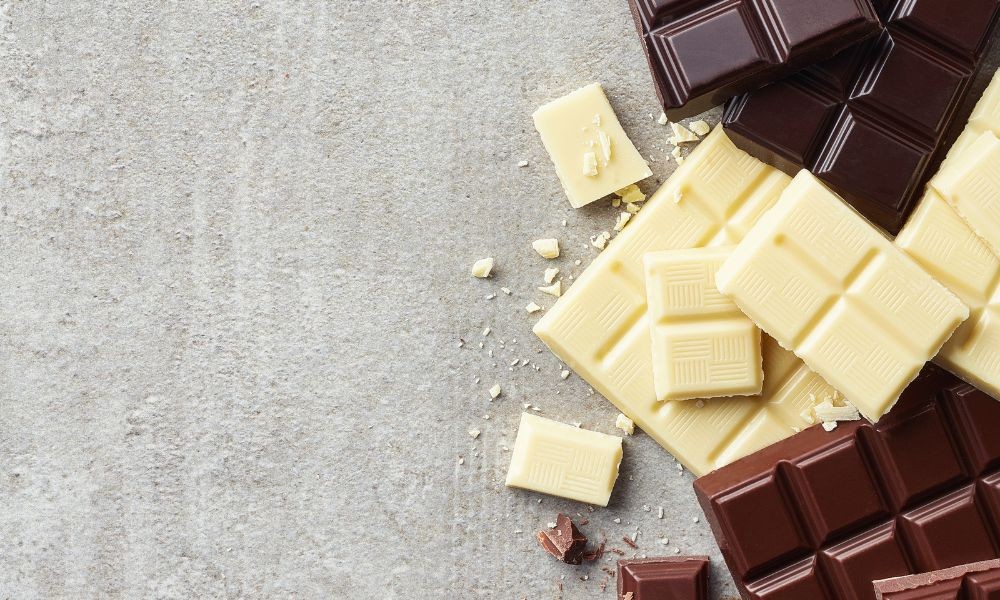
Chocolate percentage has a reputation for being more informative than it actually is. People learn to read it as a quality signal, a flavour predictor, sometimes almost a nutritional credential. But sit down with something like milka chocolate, which runs at the lower end of the milk chocolate cocoa range, and the experience does not match what a percentage-first reading would lead someone to expect. It is consistent, recognisable, and clearly constructed with intention. The percentage contributed to that outcome without determining it.
- It reflects the combined proportion of cocoa solids and cocoa butter relative to total product weight. That gives a rough intensity reference and nothing more specific than that.
- The bean origin sits entirely outside what the number captures. The growing region affects whether cocoa contributes fruit, earth, floral character, or roasted depth, and those differences persist regardless of how much cocoa ends up in the bar.
- Packaging does not indicate how thoroughly flavour compounds develop or how finished products behave on the palate.
- Creamy, caramelized, and buttery characteristics are primarily shaped by milk solid type and concentration rather than cocoa intensity. It doesn’t say anything.
- Roasting decisions made before the percentage becomes relevant push identical beans toward bitterness or toward softer profiles. Two bars at the same percentage with different roast approaches taste meaningfully different.
Percentage works as a comparison tool within a familiar range. Outside that narrow function, it raises as many questions as it answers.
What actually happens at lower cocoa levels?
Milk chocolate in the 25 to 40 per cent range is not dark chocolate with ingredients removed. The reduction in cocoa concentration shifts which elements lead the flavour experience. Milk solids and sugar move forward, cocoa settles into a supporting position, providing depth and structure rather than driving intensity. What the eater registers first is creaminess and sweetness, with chocolate operating as context rather than the central subject.
That is a compositional decision, not a compromise. The flavour resolves quickly, finishes cleanly, and does not carry the tannin or extended aftertaste that higher percentage bars bring. Some people find that directness is genuinely preferable. Others find it less interesting. Neither response is wrong because neither category is attempting to do the same thing.
How does percentage interact with other variables?
A 35 per cent milk chocolate made from West African cocoa tastes different from one made with South American beans at the same percentage. The underlying flavour compounds differ between growing regions, and those differences come through even at lower concentrations. Faint fruit or floral notes from certain origins survive the milk and sugar that surround them and add complexity that the percentage figure does not indicate is present.
The milk component does considerably more flavour work than it gets credit for:
- Whole milk powder brings a fuller, fattier creaminess that softens cocoa character and introduces a faint caramel quality in certain formulations.
- Skimmed milk powder produces a cleaner background with less fat interference, which allows cocoa to sit marginally more forward despite identical percentage levels.
- Caramelised or condensed milk solids introduce their own distinct notes that interact with cocoa in ways that shift the perceived profile well beyond what any percentage variation would produce on its own.
The percentage is one input that shares the flavour result with several others, most of which the label does not bother to mention.
