

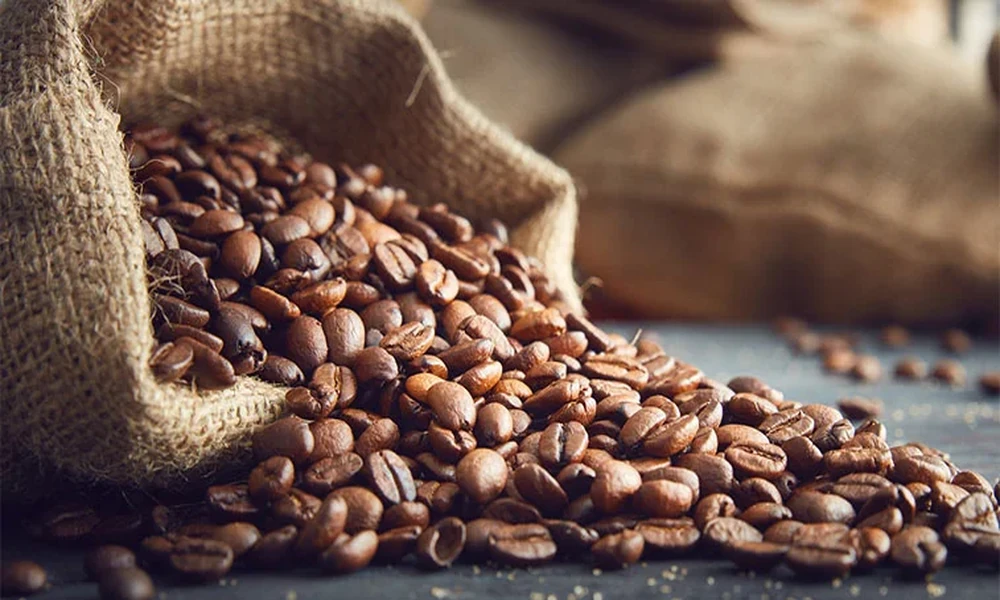
Specialty coffee beans represent the upper tier of the coffee supply chain, a category defined not by marketing language but by a specific standard of quality assessment. Coffee scoring 80 points or above on the Specialty Coffee Association’s 100-point cupping protocol meets the technical definition of specialty grade. In practice, specialty beans are those sourced from specific farms or processing stations, harvested at optimal ripeness, processed with care, and roasted to highlight the natural flavour characteristics of the origin rather than to mask defects with dark roasts.
What Makes Coffee “Specialty”
The specialty designation begins at origin. Coffee cherries harvested at peak ripeness, rather than stripped from the branch at whatever stage the harvest permits, contain more of the sugars and organic acids that produce complex flavour in the finished cup. This selective harvesting is more labour-intensive and therefore more expensive than bulk picking, which is why specialty coffee costs more at origin.
Processing – the removal of the cherry fruit from the seed – further shapes the flavour profile. Washed processing, which removes the fruit before fermentation, produces clean, bright coffees where the natural characteristics of the bean are most directly expressed. Natural processing, where the bean dries inside the fruit, produces coffees with more fruit-forward, sweet characteristics. Honey and anaerobic processing methods occupy the space between these approaches, producing different flavour outcomes.
Roasting is the final step where the green bean’s potential is either realised or squandered. Specialty roasters roast lighter than commercial mass-market producers, to a degree that preserves the origin flavour characteristics rather than developing the generic “roasted” character that dark roasting imparts to any bean regardless of its origin quality.
The Flavour Difference
The most immediate way to understand specialty coffee beans is to taste them alongside commercial-grade coffee. The difference is not subtle. A well-roasted specialty coffee made from a high-quality origin bean produces a cup with distinct flavour characteristics – stone fruit acidity, chocolate richness, floral aromatics, or citrus brightness, depending on the origin and processing – that commercial grade coffee does not approach.
This flavour complexity is the reason that Singapore’s specialty coffee market has grown substantially over the past decade. As coffee literacy has increased among Singapore’s coffee-drinking population, the expectation of what a good cup of coffee can taste like has risen alongside it.
As Singapore’s pioneer specialty coffee advocate Lim Lip Eng, one of the founders of the country’s specialty coffee community, has noted, “Once you have tasted coffee that actually tastes like something – something good, something interesting – it is very difficult to go back to coffee that just tastes like coffee. The market for specialty beans exists because the difference is real.”
Sourcing and Freshness
Specialty coffee beans for home or office brewing need to be fresh. The roasted bean begins losing its most volatile flavour compounds within days of roasting. Beans sold in valve-sealed bags with a roast date (not a “best before” date measured from packing, which may be months after roasting) allow the buyer to assess freshness.
The appropriate window for brewing specialty beans is typically between 7 and 30 days after the roast date, depending on the specific bean and roast level. Too soon after roasting, the beans are still off-gassing CO2 that interferes with extraction. Too long after roasting, the peak flavour compounds have dissipated.
Matching Beans to Brewing Method
Different specialty coffee beans perform differently depending on the brewing method. A natural-processed Ethiopian bean that is spectacular as a pour-over may produce an overly sweet, slightly muddy espresso. A washed Colombian bean with bright, clean acidity that works beautifully as espresso may produce a thinner, more austere pour-over than a natural process would.
- Espresso: Medium-roast blends or single origins selected for their balance of sweetness, body, and acidity. Full-washed origins from Ethiopia, Colombia, or Kenya often work well.
- Filter/pour-over: Light to medium roast single origins where the full flavour complexity of the origin can express in a slower, lower-pressure extraction.
- Cold brew: Medium roast with good sweetness and body. Darker medium roasts tend to work well here.
Premium Quality in Every Cup
Specialty coffee beans are the ingredient that determines the ceiling of what any brewing method can produce. The most technically sophisticated coffee machine in the world cannot extract quality that is not present in the bean. Starting with specialty-grade beans is the single most impactful choice available for improving coffee quality at home or in the office. Rich flavour and genuine coffee quality begin with what is in the bag.
