

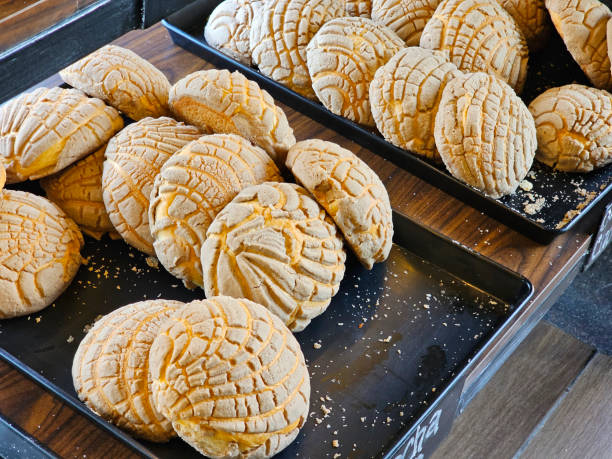
Mexican bakeries occupy a distinct category that commercial pastries cannot replicate, regardless of visual presentation or ingredient quality claims. The flavours, texture variety, and cultural significance of pan dulce, ceremonial bread, and regional specialities are unmatched by standard pastry shop equivalents across comparable product categories when you find a Mexican bakery near you. Every aspect of authentic Mexican bakery production differs from regular pastry production at every level, from ingredient sourcing to cultural context.
1. Ingredient authenticity
Traditional pastry operations substitute authentic Mexican ingredients with commercial substitutes that are optimised for cost efficiency rather than flavour authenticity. The complex flavour of molasses contributed to the structure rather than simply sweetening sweet breads with the addition of piloncillo to the depth of unrefined cane sugar. When replacing lard with vegetable shortening, Polvorones and empanadas are affected, since fat quality determines characteristic texture and flavour profiles. Mexican cinnamon canela carries softer aromatic qualities that cassia equivalents cannot substitute within recipes where spice character contributes to overall flavour balance rather than providing background warmth alone.
2. Handcrafted technique produces
Authentic Mexican bakery production relies on handcrafted techniques that mechanised commercial pastry operations eliminate in favour of production speed and consistency. Concha sugar paste application performed by hand produces the characteristic crackled shell pattern that automated topping systems replicate inadequately across mechanised equivalents. Hand-shaped pan de muerto bone formations carry dimensional variation that moulded production cannot achieve without losing the artisanal quality that distinguishes authentic ceremonial bread from commercially standardised equivalents. Empanada dough folding, cuerno shaping, and orejas caramelisation each require tactile skill assessment that experienced panaderos develop across years of daily production rather than following mechanised process parameters that remove human judgement from critical production stages.
3. Variety depth exceeds
Mexican bakery selections carry variety depth across flavour, texture, shape, and occasion categories that standard pastry shop ranges rarely approach within comparable display space. A single authentic panadería selection might offer conchas across multiple topping flavours, cuernos, polvorones, orejas, empanadas with both sweet and savoury fillings, buñuelos during seasonal periods, and ceremonial varieties aligned with current calendar occasions, all produced fresh daily rather than delivered through central production facilities serving multiple retail locations. This variety depth gives customers genuine selection complexity that regular pastry shops cannot match without the specialist knowledge, equipment, and ingredient sourcing that authentic Mexican bakery production requires across its full variety range.
4. Cultural occasion connection
Specific Mexican bakery items carry cultural occasion significance that elevates their meaning beyond standard pastry purchase transactions into participation in living cultural traditions. Pan de muerto purchased for Day of the Dead altar preparation, rosca de reyes shared across Three Kings Day family gatherings, and seasonal buñuelos connecting present consumption to generational food memory each represent bakery items whose significance extends considerably beyond taste and texture into cultural identity expression. Regular pastries carry no equivalent occasion connection at comparable depth. Seasonal commercial pastry products change packaging and flavour profiles without embedding themselves within cultural practices that households maintain across generations as expressions of identity rather than purely as consumption preferences.
A Mexican bakery accomplishes genuineness through the use of a strong focus on working together throughout everything a true bakery produces.
